Warm hair colour is often reduced to a choice between blonde and copper, then ruined by the fear of looking orange. The useful middle ground is broader: honey, caramel, cinnamon, gold-beige and chestnut all have warmth, but they differ in depth, brightness and how forgiving they remain after several weeks of washing.
Read warmth as a pattern, not a verdict
A warm undertone may show a peach, golden, or olive-gold cast in the skin. Gold jewellery can look settled rather than loud, while ivory may be kinder near the face than stark optic white. These are clues, not a test you need to pass. Surface redness, self-tan, and a yellow bathroom bulb can send the whole exercise off course.
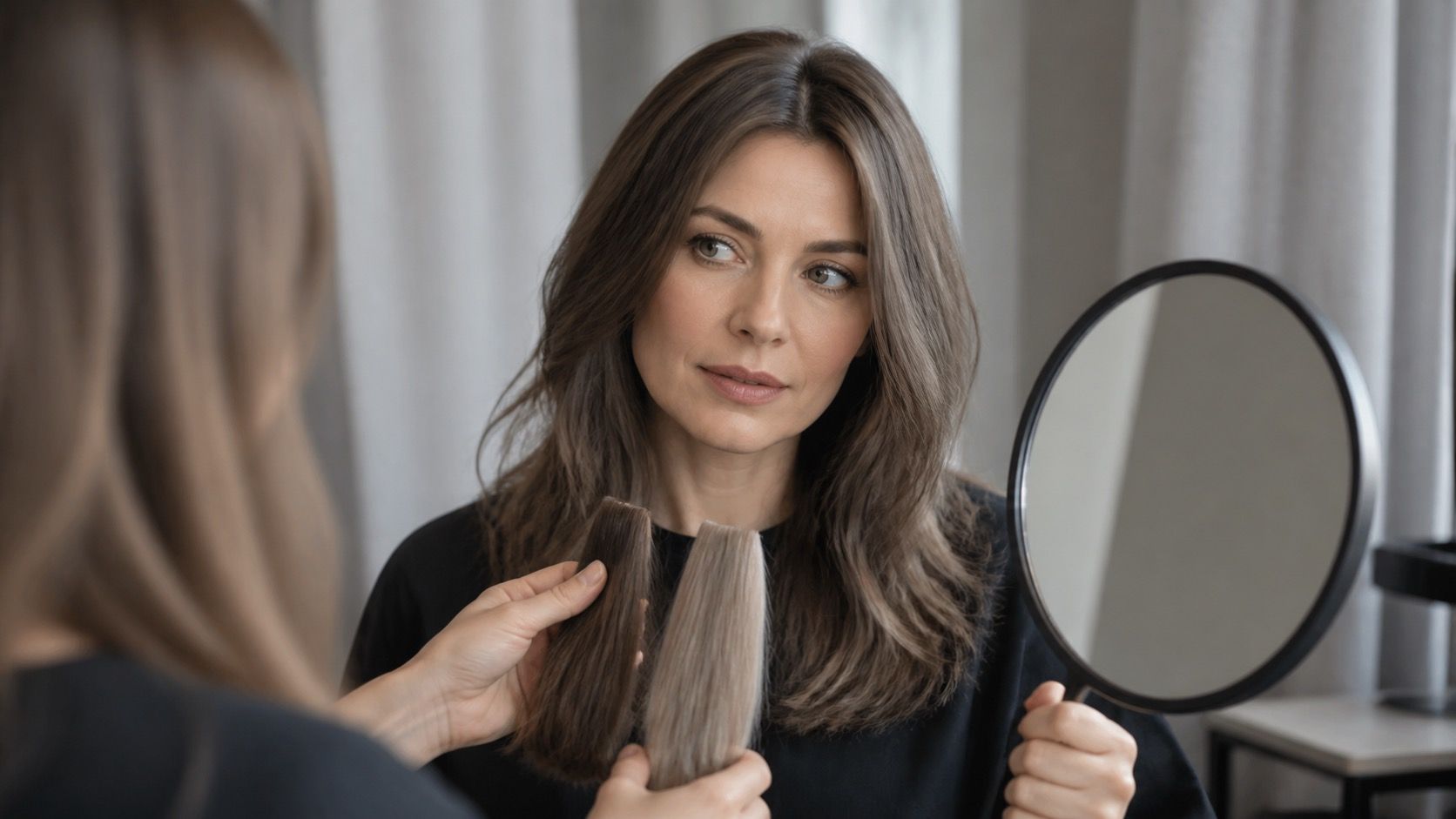
Try a comparison in daylight with no makeup. Hold a muted rose fabric and a warm apricot fabric beneath the chin, then notice the skin rather than the colour you prefer. If apricot makes the face look rested and rose makes it look grey, warmth is likely helpful. A free hair color analysis can give you language for this, but your mirror in open shade is still the better referee.
Golden blonde should have more than one note
Golden blonde works beautifully on many warm complexions because it reflects the colour already present in the skin. The risk comes when every highlight is equally bright and yellow. That creates a helmet effect, particularly on a medium or dark base. A blend of honey, gold-beige and a slightly deeper root has more dimension and is easier to wear between salon visits.
Consider the amount of natural darkness around your brows and eyes. A pale golden blonde can look fresh on someone with low contrast, while a stronger brow or dark lashes may need shadow at the root to keep the face from looking disconnected. Ask for a few finer pieces near the temples before committing to a solid all-over lightening. They show whether brightness improves the face frame without forcing a full bleach routine.
Copper and strawberry need the right level of intensity
Copper is not one colour. Soft strawberry blonde, cinnamon copper, apricot, and deep ginger all use orange-red pigment differently. A gentle strawberry direction can bring life to fair peachy skin, while a richer copper suits someone who can carry more depth. If a reference photo looks almost fluorescent, remember that salon lighting and editing usually flatter it more than weekday daylight does.
Tell the colourist whether you dislike red fade, not only whether you like copper. Red molecules can wash out quickly, leaving a lighter orange cast that feels very different from the original result. A gloss appointment, colour-safe cleansing, and a formula with some gold or brown beneath the red can make the fading pattern more pleasant. There is no shame in choosing a lower-maintenance warm brown instead of a copper that needs constant attention.
Chestnut brown gives warmth without a blonde schedule
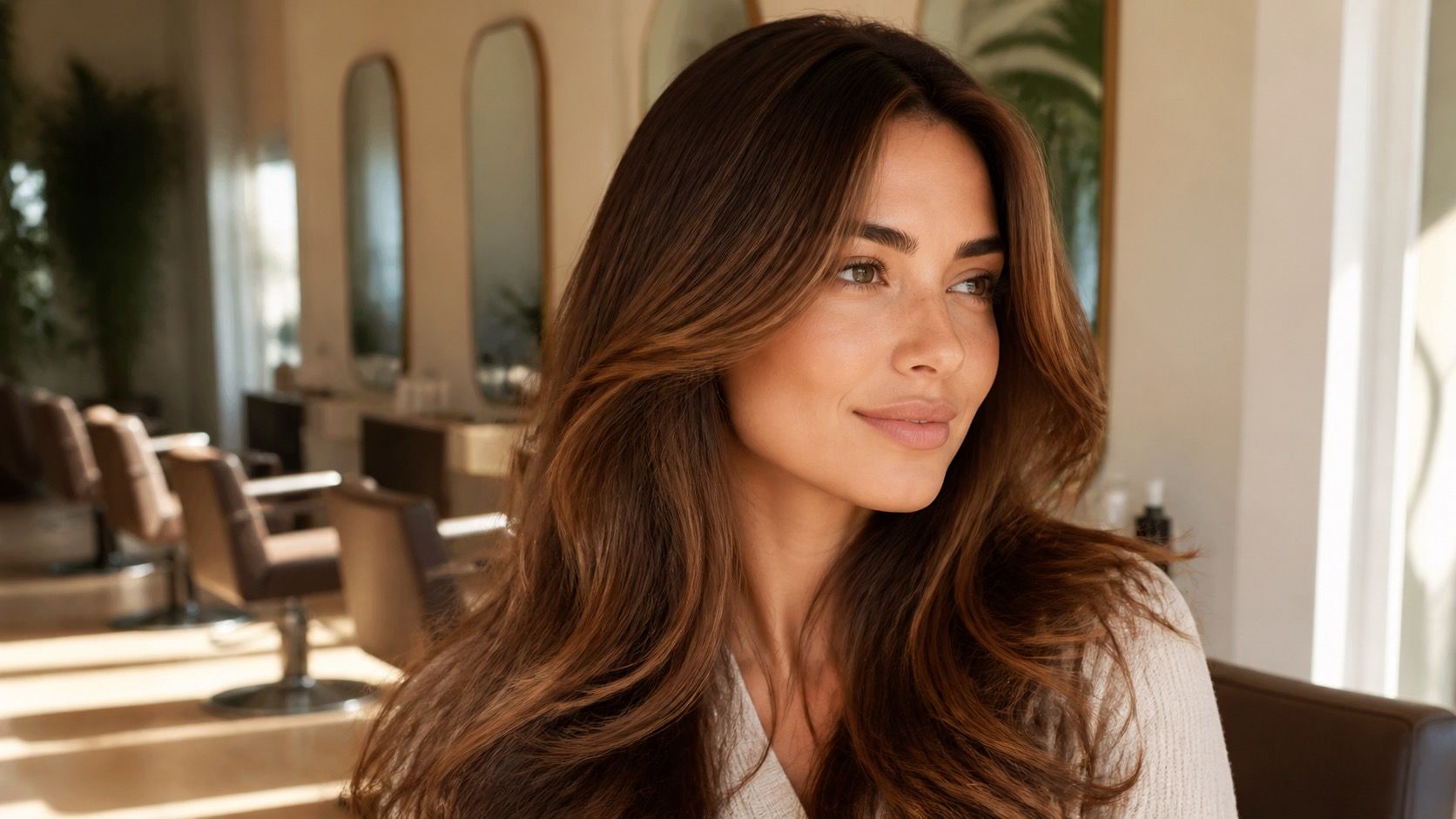
Chestnut brown is a useful answer for people who want richness but do not want visible grow-out every six weeks. It combines brown depth with red-gold reflect, so it usually looks alive outdoors without becoming bright inside. The exact level matters. Deep chestnut can feel polished against dark brows, while a lighter caramel brown may be better when the overall contrast is soft.
Look at your existing base before adding warmth. If it is already dark and previously coloured, a gloss can shift the tone without asking the hair to lift. If it is naturally medium brown, soft caramel ribbons may be enough. Repeated lightening in pursuit of a golden highlight can expose too much orange underneath, so a cautious first appointment is usually smarter than trying to achieve a high-contrast photo in one sitting.
| Colour direction | Best when you want | Maintenance reality |
|---|---|---|
| Honey and gold-beige blonde | Brightness with a soft face frame | Toner and root blending keep highlights from turning flat |
| Strawberry or cinnamon | Visible warmth without strong orange | Glosses help preserve the red-gold balance |
| True copper | A deliberate, vivid change | Fades fastest and benefits from regular refreshes |
| Chestnut brown | Depth, shine and a gentler grow-out | A colour-depositing gloss may be all that is needed |
Keep warmth rich rather than brassy
Warm does not mean unlimited yellow or orange. Brassiness usually appears when lightened hair loses a balanced toner, while intentional warmth has depth behind it. A stylist can add neutral or beige notes to caramel and honey so they reflect golden light without matching a yellow towel. Product choice matters too: harsh cleansing and very hot water can make any gloss disappear earlier than expected.
Check your hair in sunlight and shade before deciding it has gone wrong. Sunlight amplifies gold, while indoor grey light can make a healthy chestnut look dull. If the colour is too orange in every setting, ask for a controlled gloss rather than layering home dye over it. The correction is often smaller than people expect, and preserving the condition of the hair is more valuable than chasing a perfect swatch.
Let your routine choose the final shade
Pick the warm direction you can actually maintain. A busy person who washes daily may enjoy a dimensional chestnut more than a vivid copper. Someone who loves regular salon visits may find a golden blonde worth the toner and root work. Hair color analysis is useful because it narrows the field, but it cannot decide your budget, wash schedule, or tolerance for a visible root.
The most convincing warm shades have a little restraint. They leave room for your natural base, change pleasantly in sunlight, and do not need a filter to look balanced. Once depth, brightness and fade are agreed in advance, gold, copper and rich brown stop feeling risky and start behaving like considered choices.
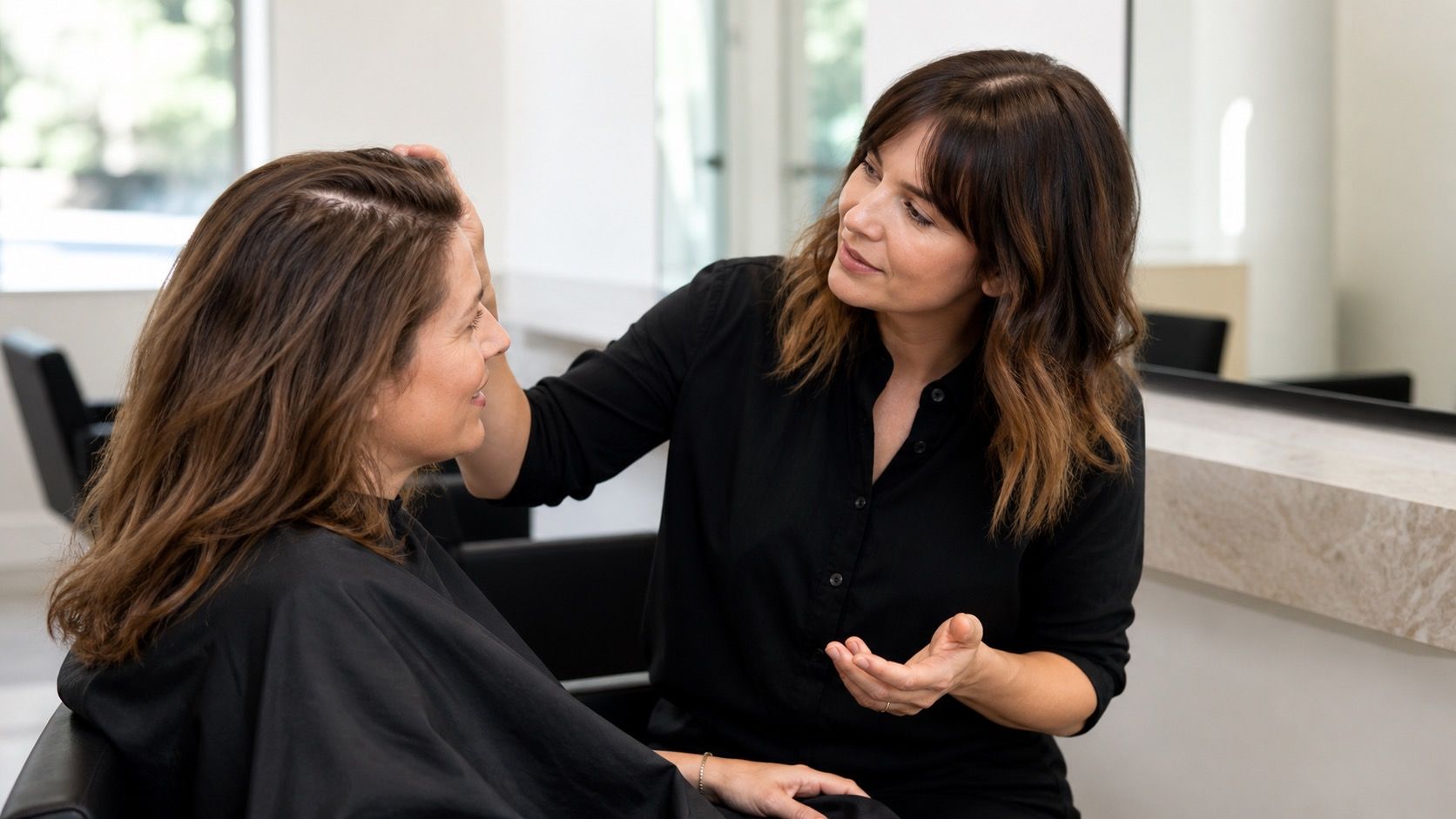
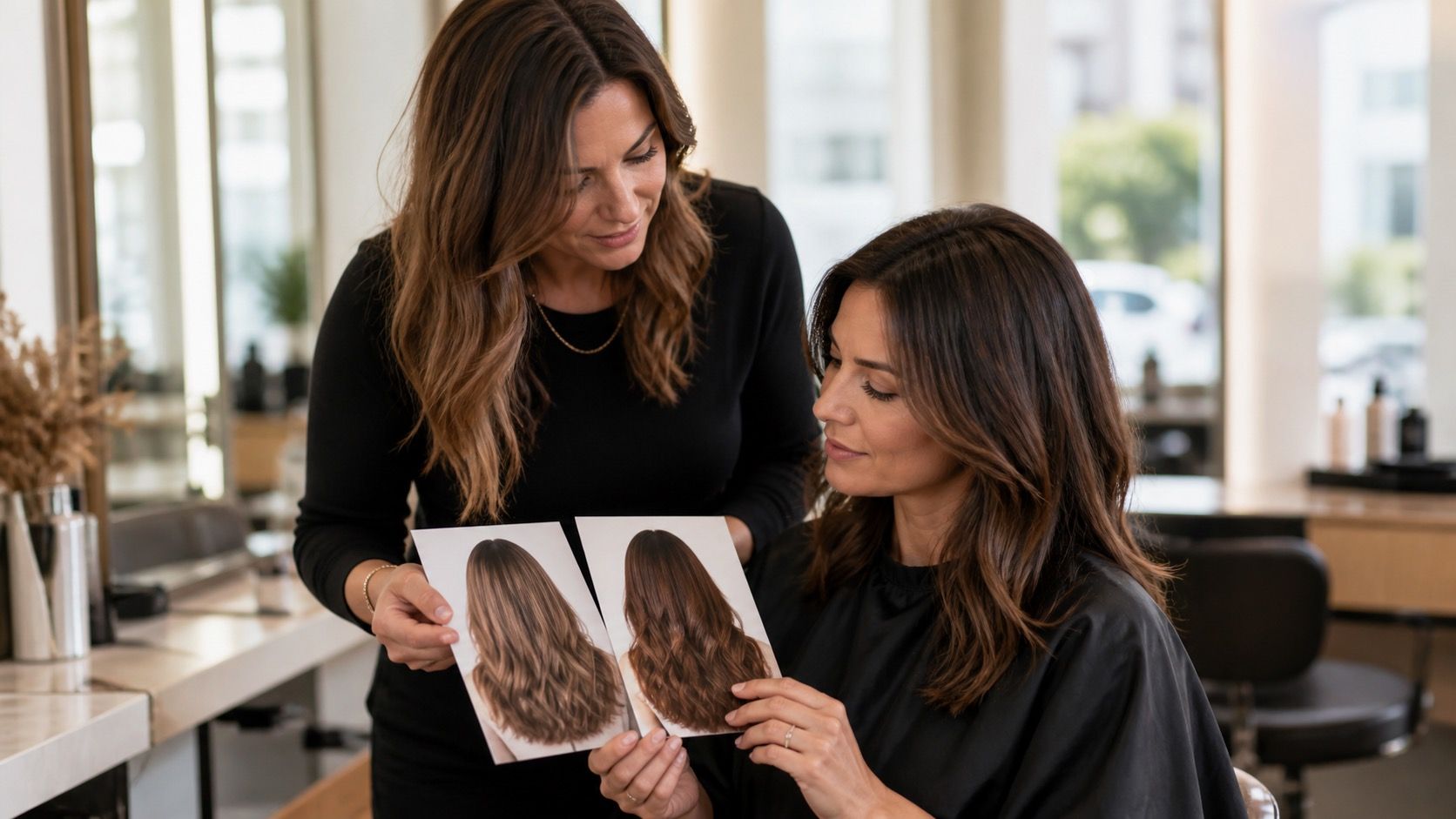
Before booking, save one picture of your own hair in daylight as well as inspiration images. At the consultation, compare the proposed formula with your root, brows and skin rather than with a backlit model shot. That small reality check keeps a warm face frame luminous instead of making the whole result feel louder than you wanted.