Strand size & density
Fine describes the width of individual strands. Density describes how much hair grows in an area. Bring both into the conversation about your cut.
Compare haircut shapes, your natural texture, and the styling routine you want. Turn what you like into clear notes for your stylist.
Find your direction Explore Haircut Hubs
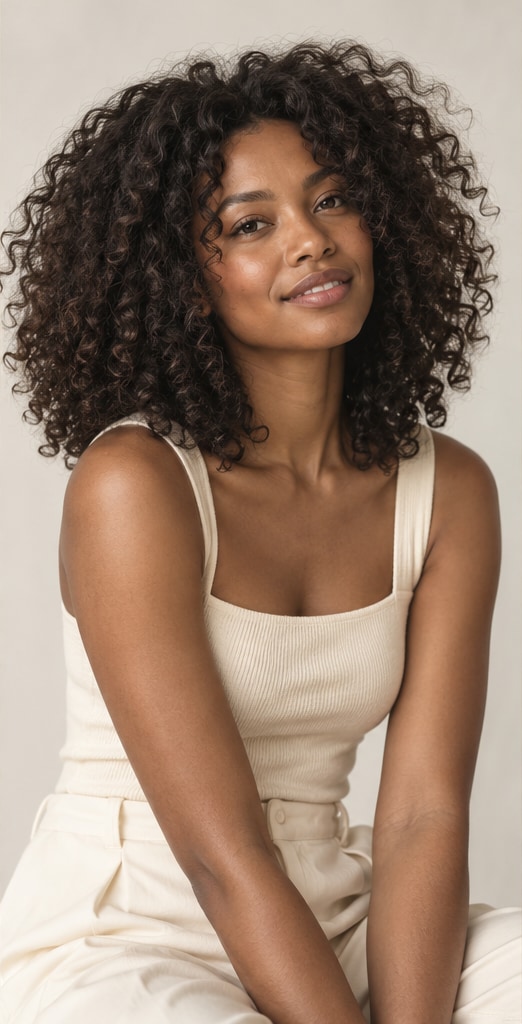
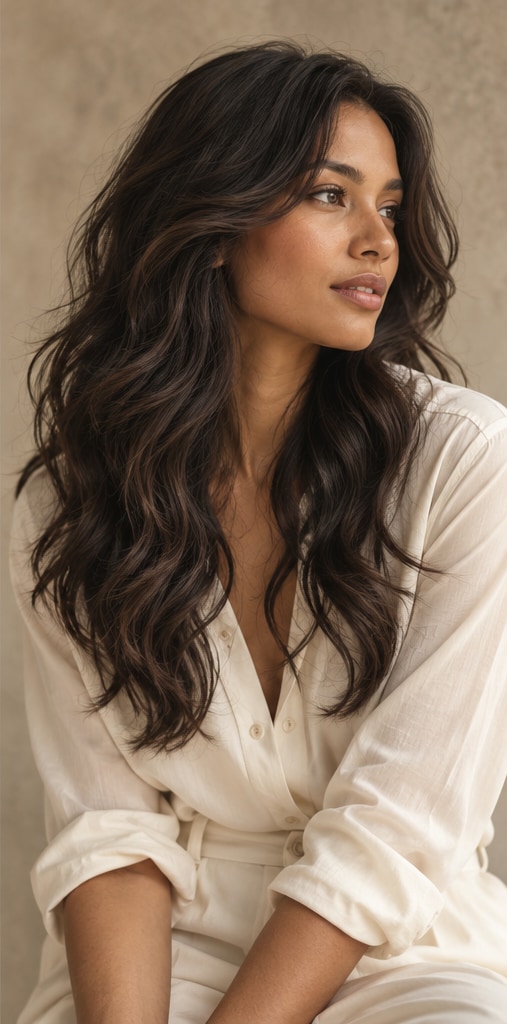
Fine describes the width of individual strands. Density describes how much hair grows in an area. Bring both into the conversation about your cut.
Straight, wavy, curly, or coily: describe your usual pattern and where your hair falls when dry. Agree on the length you want to keep.
Think about washing, drying, daily restyling, and hot tools. Choose a routine you want to maintain, rather than a universal “five-minute” promise.
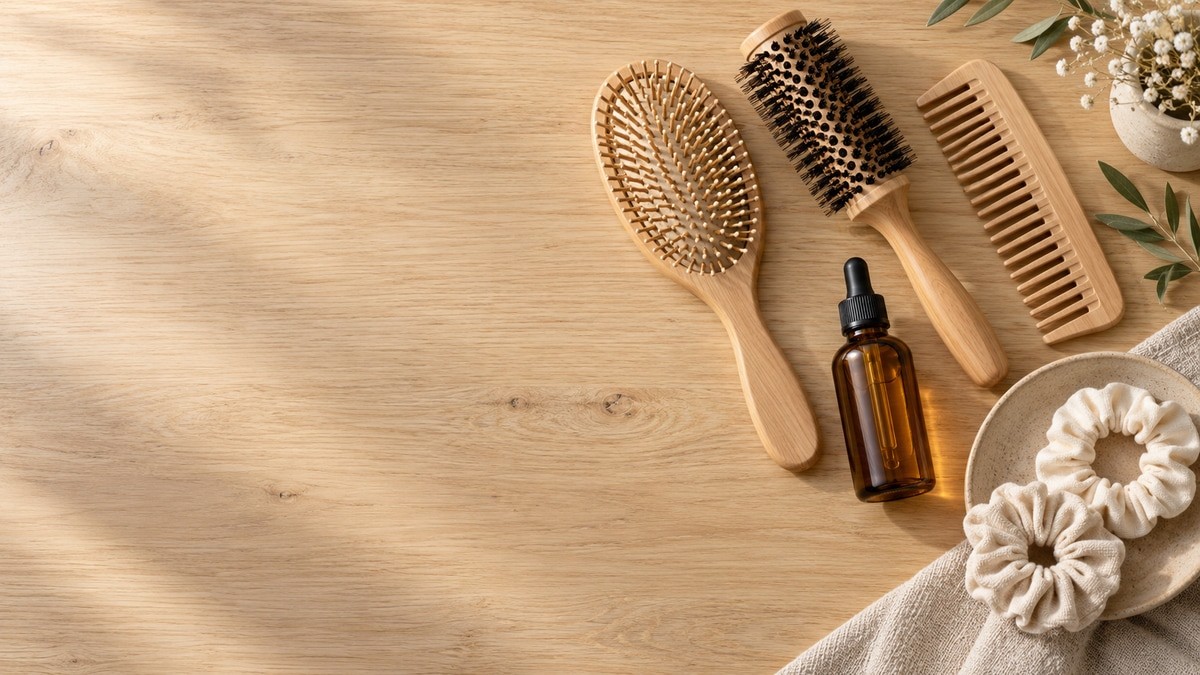
Bring a reference and name the details you like. These examples help turn a general request into a clearer conversation.
Instead of “Make it like this photo.”
“I like this collarbone length and soft layers around the face.”
Ask how those details could work with your texture and density.
Instead of “Take out the bulk.”
“Can we discuss lighter layers while keeping the outline I like?”
Point to the areas where you want more movement or less volume.
Instead of “Give me bangs.”
“I’d like to explore longer curtain fringe around my cheekbones.”
Explain whether you want to tuck it back and how you usually style it.
Follow the shape, texture,
or technique you have in mind.
Short · Curly · Updos
Everyday styles, texture, length, and special occasions.
Bobs · Pixies · Layers
Bobs, pixies, layers, and the shape of your next cut.
Box · French · Knotless
Braiding patterns, parting, and styling references.
Curtain · Wispy · Blunt
Curtain fringe, soft pieces, and face-framing ideas.
Tapers · Fades · Crops
Tapers, fades, crops, and barber-ready references.
Curly · Medium · Long
Curly, short, and longer styling directions.
Guide previews to explore
before your next appointment.
Compare bob lengths, perimeter lines, and everyday styling.
Plan the top, sides, fringe, and nape of a short cut.
Compare outlines and layers for smaller-diameter strands.
Compare perimeter and volume choices when hair coverage is lower.
Compare braid sizes and parting patterns before your appointment.
Compare a gradual feed-in start with a traditional box braid.
A closer look at the classic three-strand braid and its variations.
Compare the raised underhand pattern with an overhand French braid.
Compare row direction, section size, and scalp comfort.
Compare braid placement, parting, length, and maintenance.
Compare curl silhouettes, face framing, and where the volume sits.
Compare silhouettes and styling choices for tighter coils.
Explore height, parting, and loose or more structured finishes.
Compare an updo with a half-up style and plan the details.
Bring your hairstyle, veil, and accessory references together.
Compare an evening style by shape, comfort, and the way you plan to move in it.
Compare side length, curl shape, and your preferred outline.
Compare shoulder-length layers, flowing shapes, and ways to gather longer hair.
Compare crops, short textured tops, and close side outlines.
Plan where a taper begins at the temples and nape and how it blends into longer hair.
Compare cropped lengths, bobs, and the pieces around your face.
Three directions to compare.
No single “right” answer.
Showing 3 hairstyle references.
Notice the line at the jaw, the tucked ends, and the open forehead.
Where would you like the shortest pieces to sit?
See the consultation checklistNotice the rounded outline and the volume around the sides.
What shape do you like when your hair is fully dry?
See the consultation checklistNotice the longer outline and the shorter pieces around the face.
How much length do you want to keep around your face?
See the consultation checklistCompare the shapes you like, then discuss the details with your stylist.
Choose your preferences to gather references and talking points for your stylist. Your preferences guide the edit.
Use these references to explore a direction. A stylist can discuss the details with you.
We focus on haircut shapes, texture, and the details you can discuss with your stylist.